Current News

Displaying 91 - 98 of 98
| November 2012
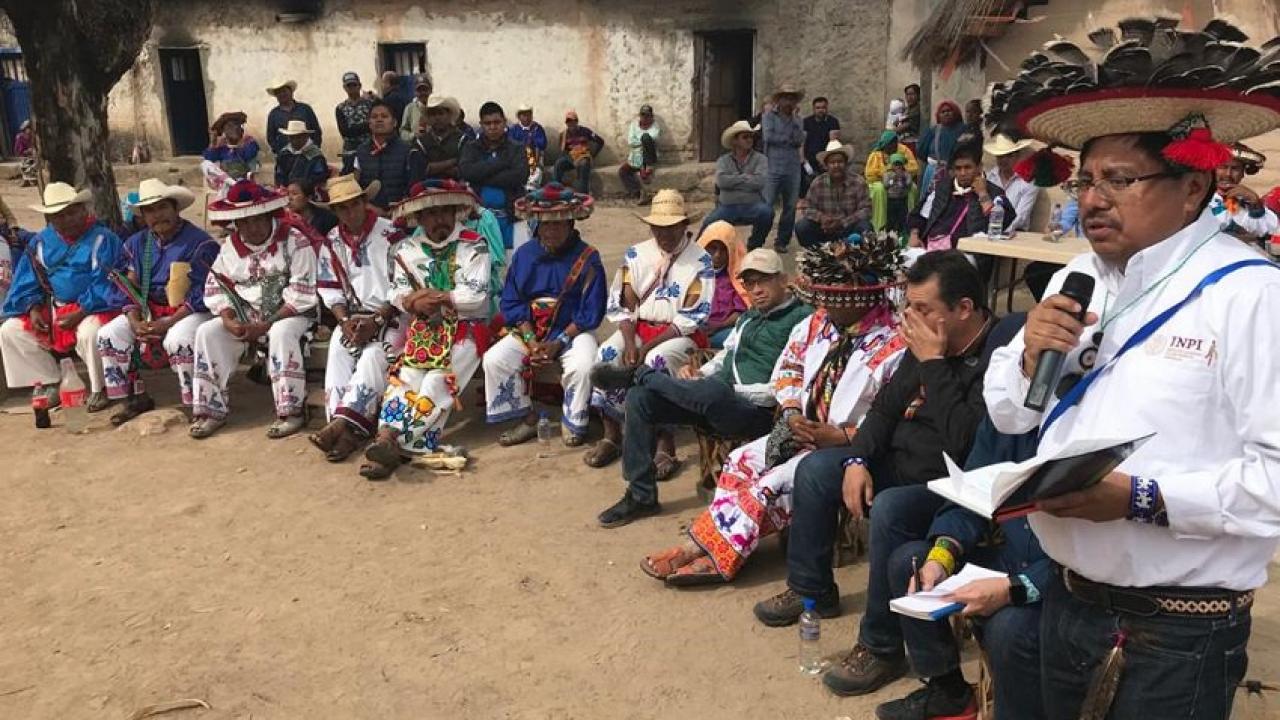
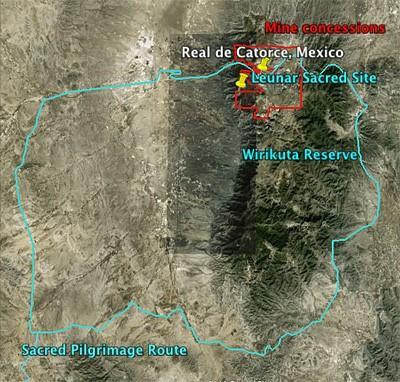
Wixarika leaders are welcoming a new government proposal to declare a Biosphere Reserve in Wirikuta. However, they warn of inconsistencies and dangerous propaganda that is being instigated by First Majestic Silver, the Canadian mining company that wants to gut the Sacred Territory of the Wixárika (Huichol) people. Once again they demand to be included in the process as the government prepares to issue a final decree.
| November 2012
The federal government of Mexico has proposed the creation of a Biosphere Reserve in the area of Wirikuta, sacred site to the Wixarika (Huichol) people and the battle ground for a silver mine first proposed by Canadian company First Majestic Silver, and others. The biosphere reserve would cover 191,000 hectares, according to Mexico’s National Commission on Natural Protected Areas. On November 8th, the Consejo Regional Wixarica and the Frente en Defense de Wirikuta anncouned their decision. Wixarika leaders will welcome the government proposal to declare a Biosphere Reserve in Wirikuta, but warn of inconsistencies and dangerous propaganda instigated by the mining company among the local population. Once again they demand to be included in the process as the government prepares to issue a final decree.
| April 2014
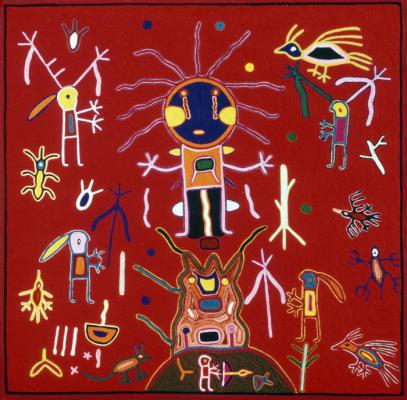
It was a long time coming – but it was worth the wait. Nearly two years ago, more than a dozen of Mexico’s biggest performing artists came together in a mega-event aimed at saving Wirikuta, one of the country’s most sacred sites, from devastation at the hands of Canadian gold and silver mining operations. It was a triumphant moment for the indigenous Wixarika people and for indigenous movements in general when, as the daylong festival came to a close, they were invited to come up on stage. A massive screen flashed images of traditional Wixarika beadwork behind them as 60,000 fans chanted, in unison, “Wirikuta no se vende! Wirikuta se defende!” (Wirikuta is not for sale! Wirikuta will be defended!)
| September 2016

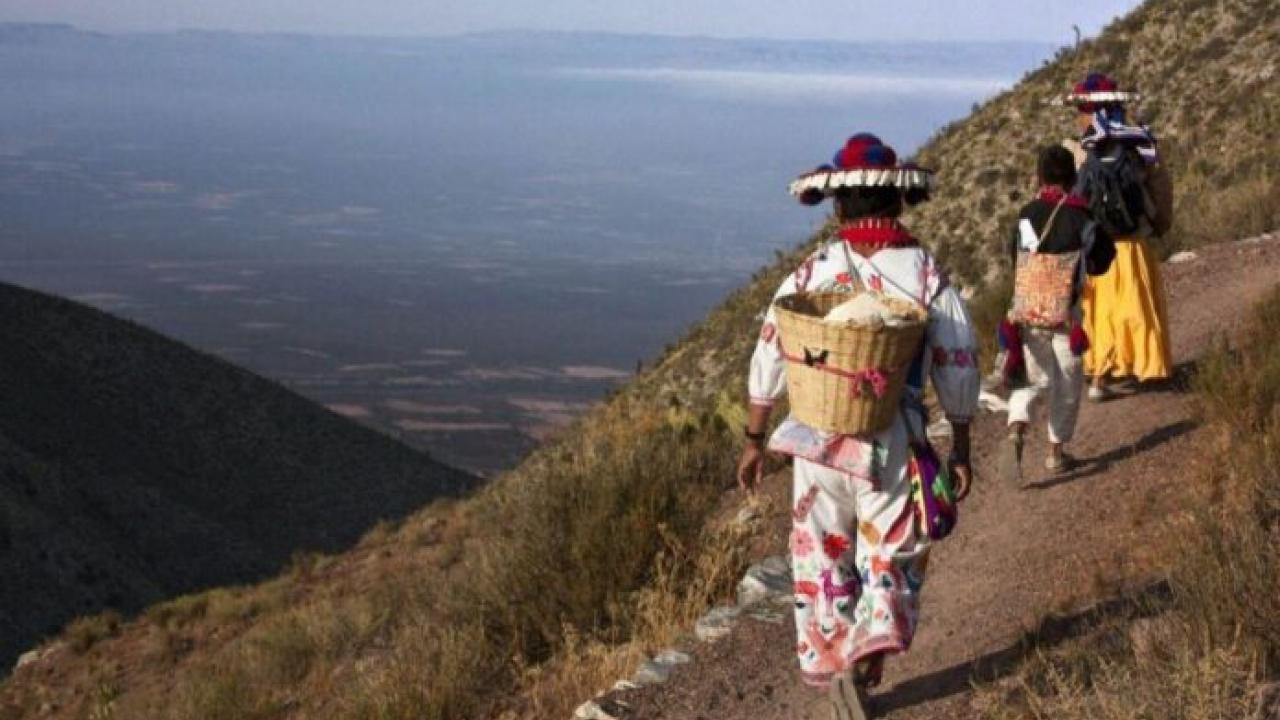
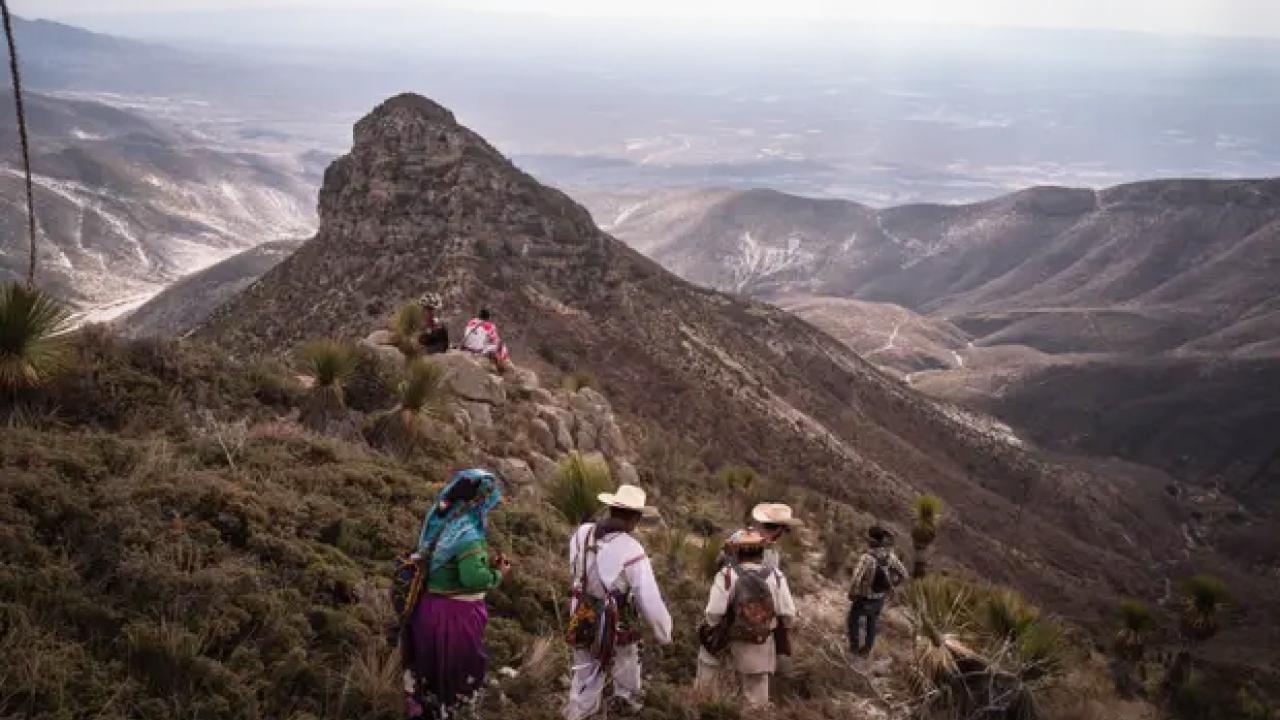
"The human avalanche began to flow from the ridgetop of the Sierra de Los Pajaritos around 10 am on Thursday, September 22: 500 indigenous Huichols, heirs to the old lords of the mountains, descended in a quiet tide into the valley Huajimic, in search of historical justice. The expectant landholders, who had succeeded them in the domain of these lands, observed them worriedly as an ominous sign.

| November 2017

In Northwest Mexico, the Western Sierra Madre Mountains rise like giants from the coastal wetlands of the Gulf of California to the Central Mexican Plateau. Indigenous communities have long found shelter in these isolated lands, and the space to maintain their culture and way of life.

| September 2017

Some of my most treasured childhood memories happened in or near a river. I can still feel the cold water on my feet, and the current that pulled me smoothly past rocks and branches. I remember vacations with my cousins, throwing ourselves into the river near my aunt and uncle’s country house, leaping from the tops of rocks or swinging from the branches of a tree. I remember summer road trips, driving down seemingly endless bridges over the great rivers of southern Mexico.

| February 2018
A shamanic retreat in Juneau led by a Californian has caught Sealaska Heritage Institute’s attention. SHI learned about the Dance of the Deer Foundation’s retreat and asked them not to come to Juneau. Despite Sealaska Heritage’s objections, the company’s owner, Brant Secunda, continues to advertise for the June retreat. Part of the advertising includes a video on his website titled “Alaska: A Living Dream.” In the video, Secunda, wearing his signature dark felted cowbow hat, leads his clients through Juneau: They’re sitting on a beach with the Chilkat mountains in the distance, hiking on fern-edged trails and visiting Nugget Falls at the Mendenhall Glacier.
| March 2018

Members of the Wixarika Tatei Haramara Council of Nayarit, Mexico have denounced the illegal sale of one of their sacred ceremonial sites, Tatei Haramara island, to two “ghost” tourism companies. Now, the island is out of reach for the Wixarikas (called “Huicholes” in Spanish because of the name given to them by the Nahuatl people), who can't perform their religious duties there anymore nor have access to its water fountains, which has also caused severe health problems among them.