Magazine Articles

| January 1975

"The Huichol Indians have maintained their cultural traditions at a level of integrity far above most pre Columbian societies still existent in Mexico. Living in the rugged and remote hightlands of Jalisco and Nayarit, they have not had to cope over time with the same kind of inroads on their belief systems and daily living as did the linguistically related Indian groups living in the less remote and rugged highlands and lowlands in the same general area."

| February 1979
par Juan Negrín "CEUX qui vinrent au Mexique en quete d´or et d´ames a sauver, pour engendrer en fait l´actuelle race métisse, laissérent de coté un certain nombre d´indigénes qui allérent se replier au plus profond de leurs vallées montagneuses. Au Sud de la Sierra Madre Occidentale, dans les Etants mexicains de Jalisco et de Nayarit, vivent aujourd´hui 6,000 á 7000 de ces marginaux: les Huichols, lls habitent des contrées au relief accidenté, avec des ravins pouvant atteidre 500 métres et des sommets plus de 2 000 métres, au point que l´on ne peut y accéder qu´a pied. "
| December 1979
"Meet the Huichol. The Huichol have been doing this from time out of mind, and here is some of their art. Time out of mind. In some of these yarn-images you will observe representations of the conquistadores of Coronado, who came among the Huichol 400 years ago and are still sung of in Huichol village myths. In others you will see Watakame, the farmer who survived a series of Job-like plagues and tribulations in the dark times long before even Coronado came, and whose body after death was dismembered, Osiris like, and rose up severally out of the earth as various medicine and drug plants. In still others you will see jet planes, anthropologists pith helmens, four-wheel-drive Toyotas, and - hey!- dope-seeking American hippies! Most of all, if you´ve ever done peyote, in these yarn panels you will see peyote."
| April 1979
"The images have the crude ferocity of ancient mythology: warriors brandish their weapons at fleeing victims; immense deities loom over their worshipers: otherworldly beats roam fantastic gardens.  Produced by pressing brightly colored yarn onto waxed wooden panels, these images indeed have their sources in centuries-old tradition. But the art in which they appear, practiced by a small group of México´s Huichol Indians and known as yarn painting, is in fact the product of a unique collaboration between the descendants of an ancient culture and the world of modern anthropology."
| January 1986

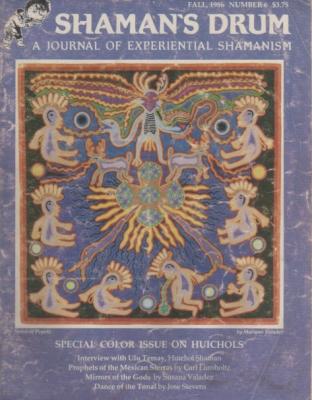
In 1986, Shaman's Drum, dedicated an issue to Wixarika art and spirituality, featuring an archival article from Norwegian ethnologist, Carl Lumholtz, an interview with Wixarika mara'akame Ulu Temay, and a text written by U.S. anthropologist, Susan Valadez (née Eger).

| January 1987

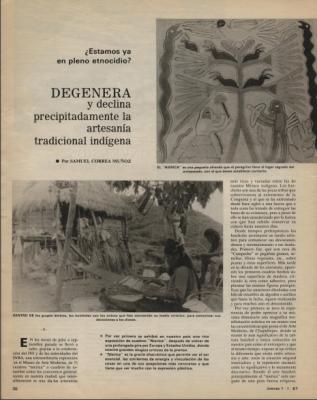
Article written for Excelsior's magazine, Jueves, about the exhibit of Wixarika art at the Museum of Modern Art in Mexico City, 1987.

Read full Spanish-language article here:

| December 1990

This article was written by Alberto Ruz Buenfil (11 September 1945– 7 December 2023) was a Mexican writer and activist whose work is dedicated to environmental sustainability, and the performing arts. He co-founded two international  theater groups as well as Mexico's first  ecovillage, known as Huehuecoyotl. This article was written for the U.S. based High Times magazine after Ruz Buenfil accompanied a camera crew from the Canadian Broadcast Corporation that was documenting a Wixarika pilgrimage to Wirikuta from the community of Tateikié.

| April 1990
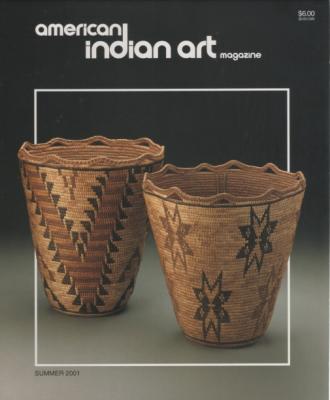
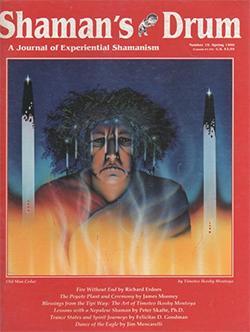
From its early origins among the Kiowa, Apache, and Comanche, peyotism developed into a major religious movement during the 1880s and 1890s when it spread rapidly among the many tribes that had been relocated into Indian Territory (now Oklahoma). Then, in a strange quirk of fate, the very government boarding schools that sought to destroy Indian culture became instrumental in disseminating this new nativistic Pan-Indian spiritual movement; they nourished new intertribal friendships and introduced a new intertribal language - English. Soon the new peyote rituals appeared on reservation after reservation across the country.
| July 1996
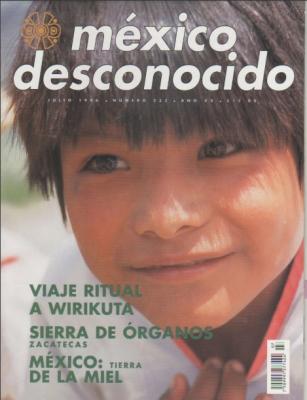
Article written by Nicolás Triedo for Mexico Desconocido in July 1996. It recounts how the Wixárika prepare to pilgrimage to the sacred place of Wirikuta and the series of actions necessary to arrive clean to communicate and dialog with the gods."It all starts in the town of La Tristeza, Nayarit. The maráakame is Don Francisco, a man of great wisdom and simplicity. He is the spiritual guide of the community. Only he can see the blue deer, Kauyumari, the elder brother of the Huicholes, and representative of the gods. He is the teacher of the tradition, 'the custom,' who, along with his faithful companion Tatewari, Our Grandfather Fire, know the destiny of the Huicholes." Article is in Spanish
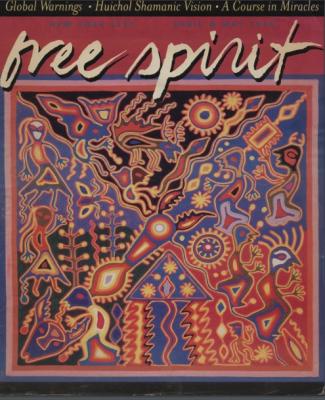
| May 1998

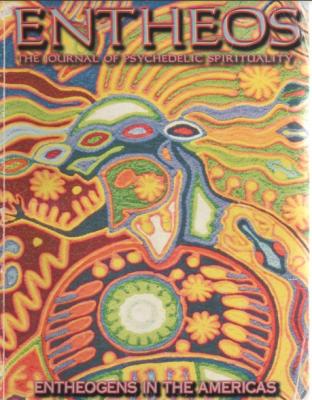
This article was co-written by longtime intellectual collaborators, Juan Negrín and William Meyers, based on a journey they took together to Wixarika territory and ongoing conversations they shared about comparative spirituality, religion, and studies on shamanism. The article is illustrated with photographs taken by Juan Negrín and was published in New York City's long running Free Spirit magazine that Meyers served on.