Current News

Displaying 71 - 80 of 98
| June 2018
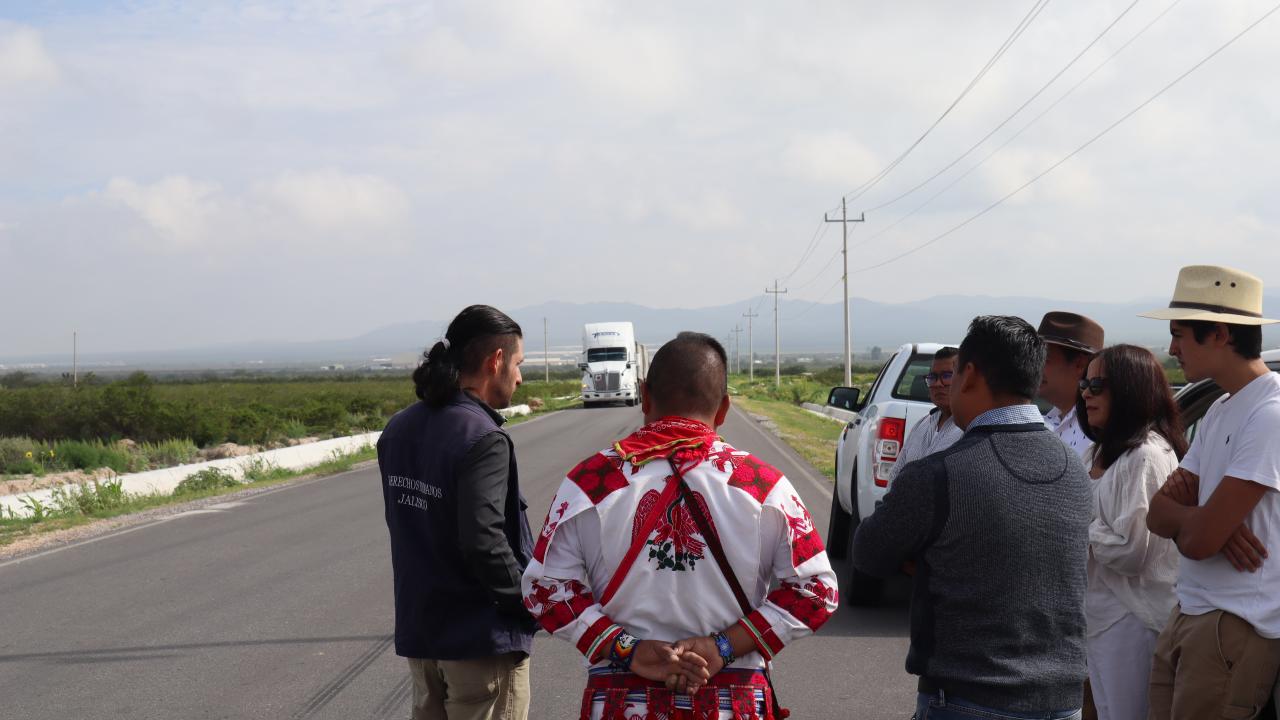
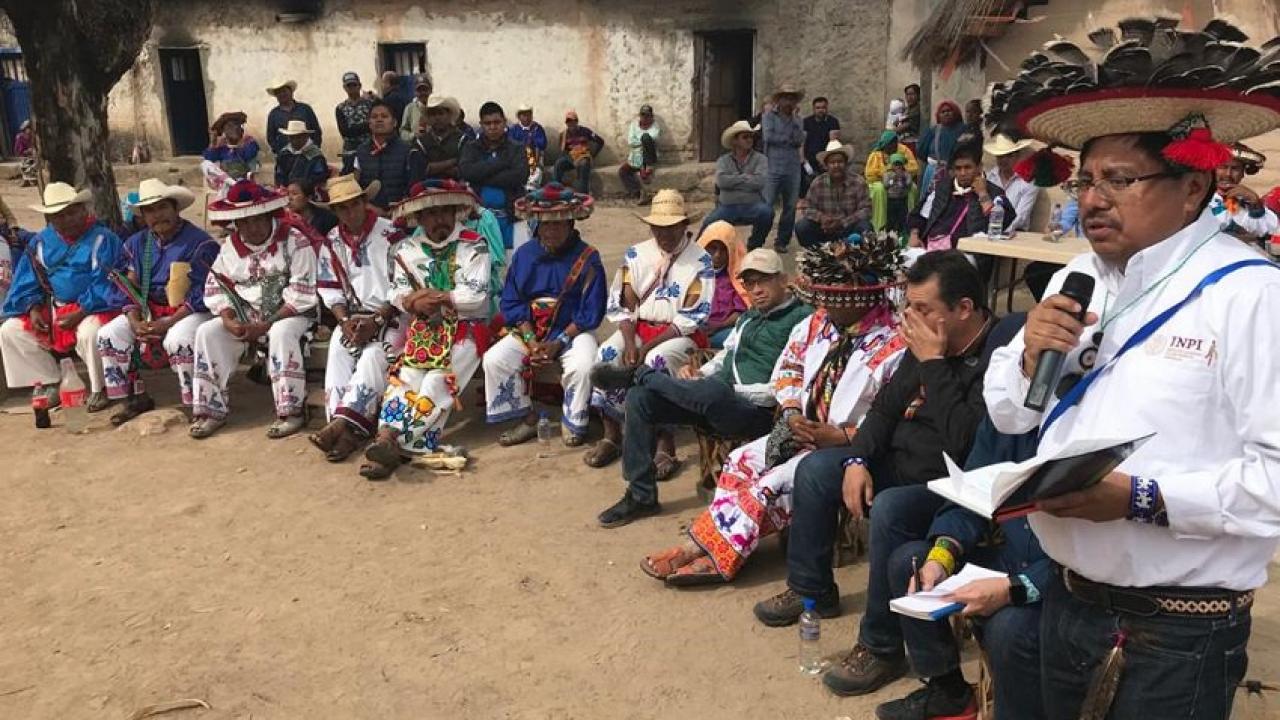
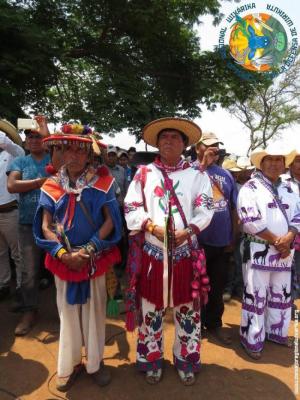
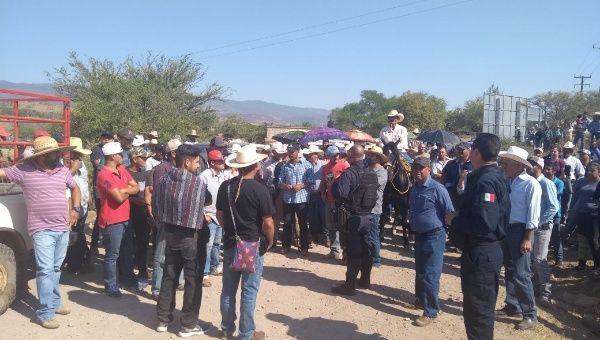
Wixaritari communities of San Sebastián Teponahuaxtlán (Wuaut + a), have detained first and second level government officials from Jalisco State in the town of Mesa del Tirador, in protest of the lack of answers to their demands—in particular, the issue of land restitution in Huajimic, in the neighboring state of Nayarit. The state government officially denies that the officials are being ‘forcibly’ detained. Sources from the state executive and from the community, confirmed to MILENIO JALISCO that there are several secretaries who are being held after attending a meeting the community called with them to discuss and resolve various problems relating to education, health, road infrastructure and poverty. Officials have been warned by the communal leaders that as a means of pressuring the officials to resolve these issues—but above all, due to the federal government’s neglect of the issue of land restitution—they will remain in Mesa del Tirador.
| April 2024
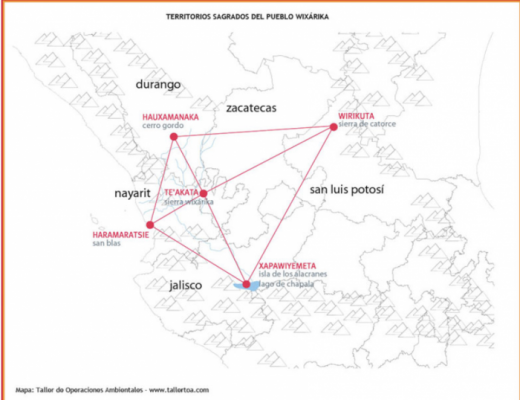
After 13 years of constant struggle, the Wixárika Regional Council for the Defense of Wirikuta (CRW), a coalition comprised of traditional, civil, and agrarian authorities from the Wixaritari communities of Santa Catarina Cuexcomatitlán, San Sebastián Teponahuaxtlán, and Tuxpan de Bolaños in Jalisco, and Bancos de San Hipólito, continues to demand that the Mexican State cancel the 78 mining concessions that threaten the sacred land of Wirikuta and its 140,000 hectares, which extend across the municipalities of Real de Catorce, Charcas, Vanegas, Villa de Guadalupe, and Villa de la Paz, in the state of San Luis Potosí.
| April 2018
The lands were seized in the 1950s from the Wixarika community of San Sebastian Teponahuaxtlan, spread across two states in western Mexico. The National Indigenous Congress (CNI), a nation-wide Mexican organization backed by the National Zapatista Liberation Army (EZLN), denounced the aggression on two of its members fighting to restore lands to the indigenous Wixarika people in western Mexico, illegally taken by landlords and ranchers.
| May 2017
GUADALAJARA, Mexico, May 25 (Thomson Reuters Foundation) - National, state and local officials warned the Mexican government of increasing violence and the need for extra security in the state of Jalisco, where two indigenous brothers were shot dead last week.
| December 2010
Last Year Alone, at least five opponents of Canadian mining projects were assassinated in Latin America: three in El Salvador, one in Guatemala, and one in Mexico. Critics of mining operations there and elsewhere were wounded and maimed in attacks while many, along with their family members, were threatened.
| December 2010

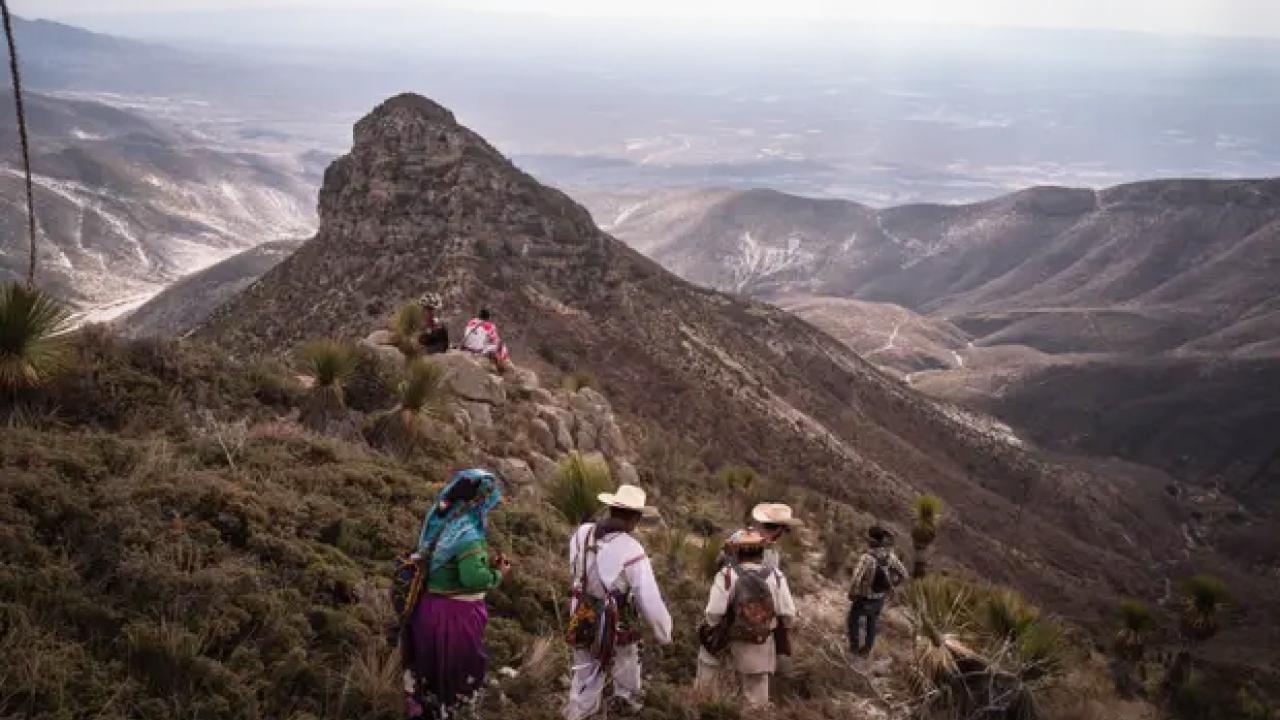
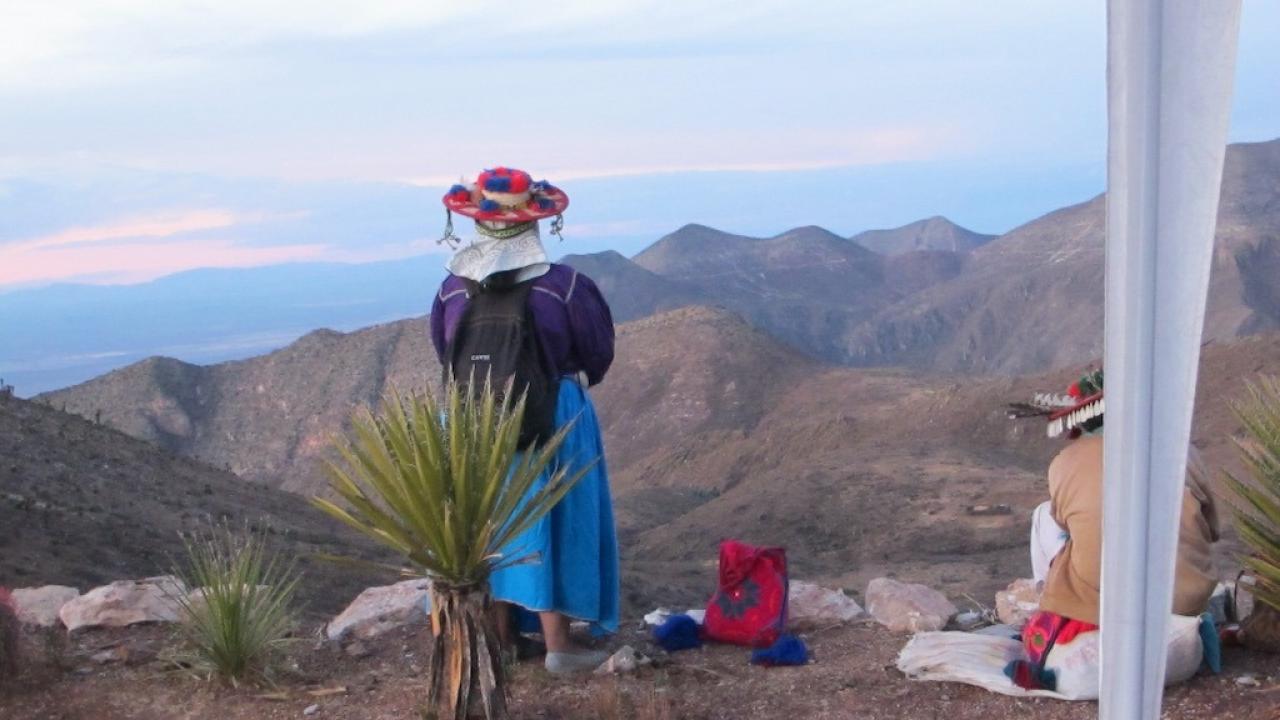
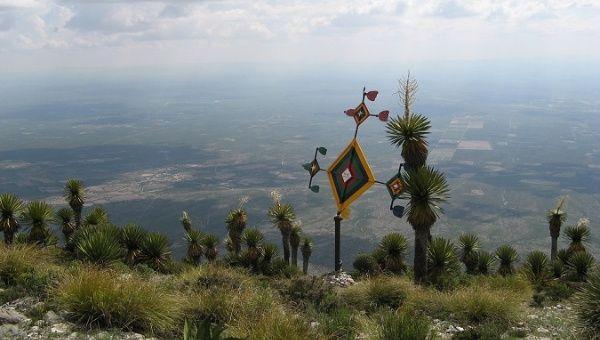
The Huicholes, who call themselves Wixarika, make pilgrimages to their ceremonial place in the Sierra Madres across the Chihuahua desert to Leunar in Mexico, their sacred mountain where the sun first rose. A Canadian mining company, First Majestic Silver Corporation, plans to exploit and mine this area. The company is planning to use cyanide to mine the sacred region. This disastrous mining will destroy the ecosystem and the sacred places of the Wixarika.

| November 2012
"Maude’s mission was a different one. She had come to see for herself what was at stake in Wirikuta, this most sacred of Huichol holy sites, currently slated for exploitation by Canadian mining companies. Her goal was to connect with the people being affected by these mining proposals and see what, if anything, the social action groups she leads can do to help. She had come to Mexico to participate in the Permanent People’s Tribunal regarding the devastating effects of mega-hydroelectric projects throughout the region. And she wanted to investigate first-hand some of the impacts of Canadian mining companies in Mexico. “We Canadians feel embarrassed and ashamed of what is being done in our names,” she had said on the winding cobblestone road to this place. She had just paid a visit to the sad vestiges of Cerro de San Pedro, the colonial mountain town whose fate the defenders of Wirikuta hope to avoid.
| May 2017
At issue are vast stretches of property that ranchers want for intensive agriculture and grazing, but the Huichols - also known by the traditional name of Wixarika - want it for subsistence farming and to practice their traditional ways of life. Each side wants the Mexican government to settle the dispute, but so far it has failed to do so.
| March 2011
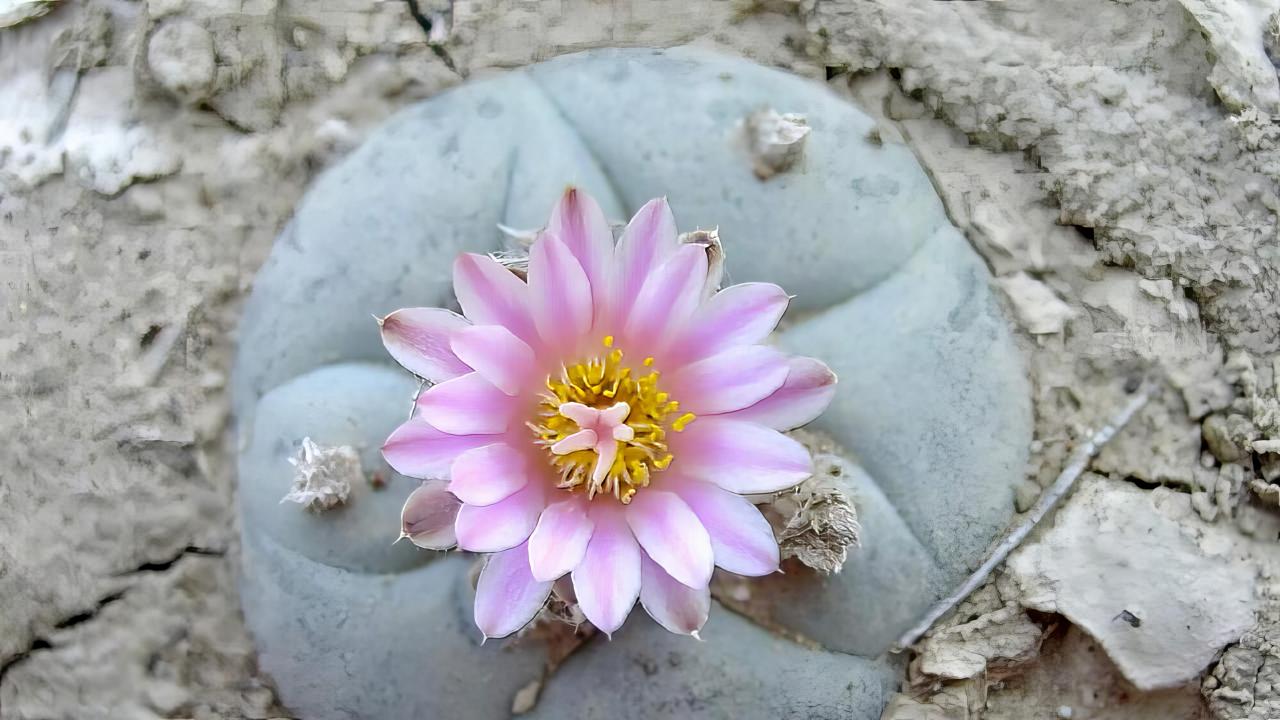
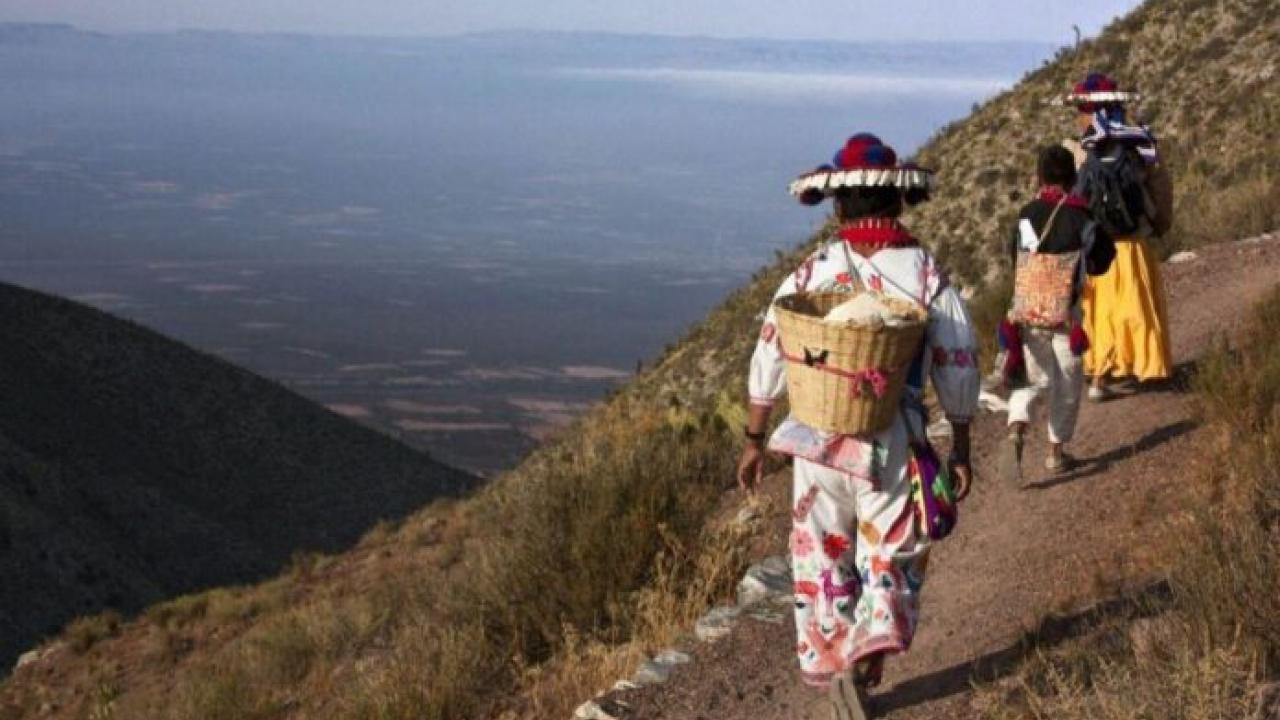
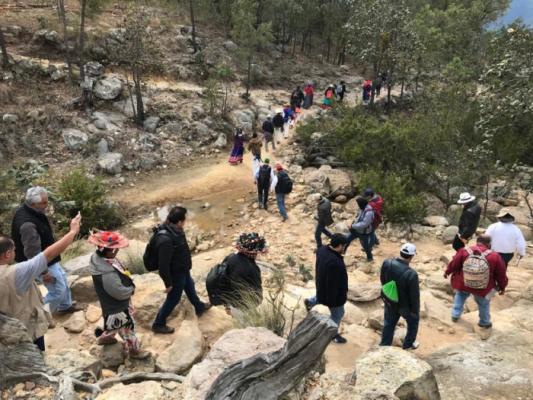
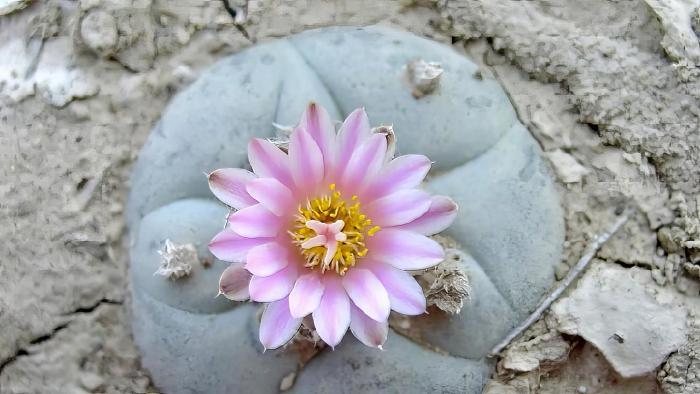
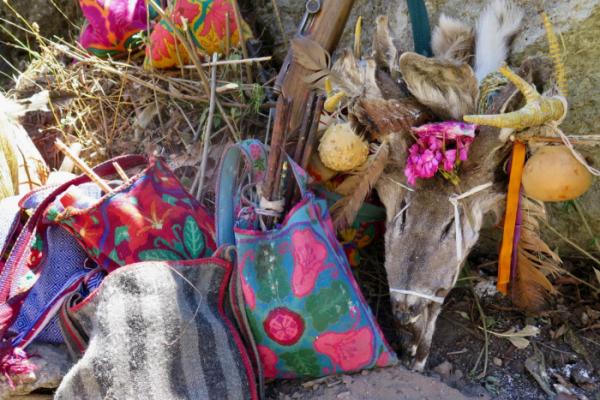
The Huichol believe a god appeared here in the form of a deer. With his antlers he first raised the sun into the heavens. So each year the Huichol trek across 800 kilometres of arid wilderness to their sacred summit Leunar. There they eat a sacred cactus and pray “that our ancient culture does not disappear. . . and the candles of life that give meaning to our identity are renewed.”
| January 2011

Despite Wirikuta’s protected status and its designation as a UNESCO Historic and Cultural Heritage Site, the Mexican government granted 22 mining concessions covering 15,631 acres to the Canadian mining company. Seventy percent of these concessions lie within the Wirikuta protected area.