History

| November 1986

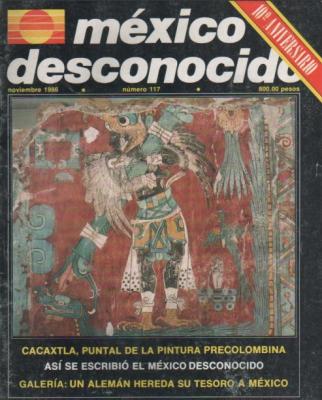
Article written as a tribute to Carla Lumholtz for the Mexican anthropology magazine, México Desconocido, or Unknown Mexico, a name taken precisely from the two volume study by the Norwegian scientist on Western and Northern Mexico.

Read the full Spanish-language article illustrated with photographs from Carl Lumholtz here.

| December 1903
Carl Sofus Lumholtz (23 April 1851 – 5 May 1922) was a Norwegian explorer and ethnographer, best known for his meticulous field research and ethnographic publications on indigenous cultures of Australia and Mexico. Born in Fåberg, Norway, Lumholtz graduated in theology in 1876 from the Royal Frederick University, now the University of Oslo.  We suggest viewing this book in full screen mode.
| December 1903
Carl Sofus Lumholtz (23 April 1851 – 5 May 1922) was a Norwegian explorer and ethnographer, best known for his meticulous field research and ethnographic publications on indigenous cultures of Australia and Mexico. Born in Fåberg, Norway, Lumholtz graduated in theology in 1876 from the Royal Frederick University, now the University of Oslo.  We suggest viewing this book in full screen mode.
| December 1903
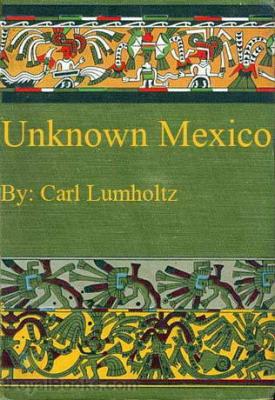
A Record of Five Years' Exploration Among the Tribes of the Western Sierra Madre; In the Tierra Caliente of Tepic and Jalisco; and Among the Tarascos of Michoacan. We suggest viewing this book in full screen mode.
| December 1903
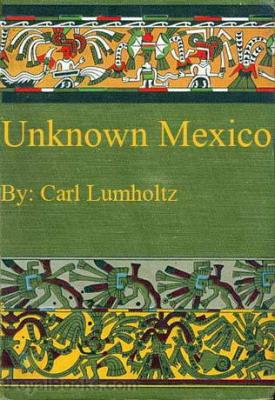
A Record of Five Years' Exploration Among the Tribes of the Western Sierra Madre; In the Tierra Caliente of Tepic and Jalisco; and Among the Tarascos of Michoacan. We suggest viewing this book in full screen mode.
Carl Sofus Lumholtz (23 April 1851 – 5 May 1922) was a Norwegian explorer and ethnographer, best known for his meticulous field research and ethnographic publications on indigenous cultures of Australia and Mexico. Born in Fåberg, Norway, Lumholtz graduated in theology in 1876 from the Royal Frederick University, now the University of Oslo.
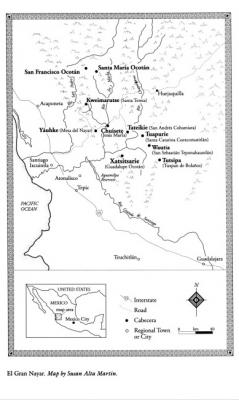
La lucha de los indígenas que existen en nuestro país es llevada a cabo de manera diaria, por el simple hecho de ser, defienden sus creencias, culturas y territorios, el resultado de esta lucha es que aun las verdaderas etnias existen en nuestro país. Una manera fácil de acabar con estos grupos es la globalización que parece no poder detenerse. Un ejemplo de quien realiza esta lucha es la comunidad Wixárika que se encuentra en la provincia fisiográfica de la Sierra Madre Occidental, región integrada por cuatro comunidades que son San Andrés Cohamiata (Ta tei kie), Bancos de San Hipólito (Uweni Mu yewe), Santa Catarina Cuexcomatitlán (Tuapurie), San Sebastián Teponahuaxtlán (Waut+a) y su anexo Tuxpan de Bolaños (Tutsipa) y otros poblados que pertenecen culturalmente a estas comunidades.
III. Decorative Art of the Huichol Indians - It is the purpose of this memoir to show that all designs employed by the Huichol are derived from the animal and plant world, from objects important in the domestic economy and religious life of the tribe, and from natural phenomena familiar to the people.