Joaquín Giménez de Azcárate, Humberto Fernández, Totupica Candelario, Regina Lira, Manuel Llano
| August 2018
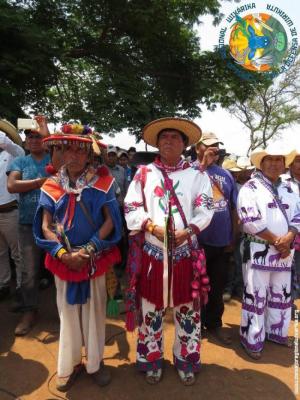
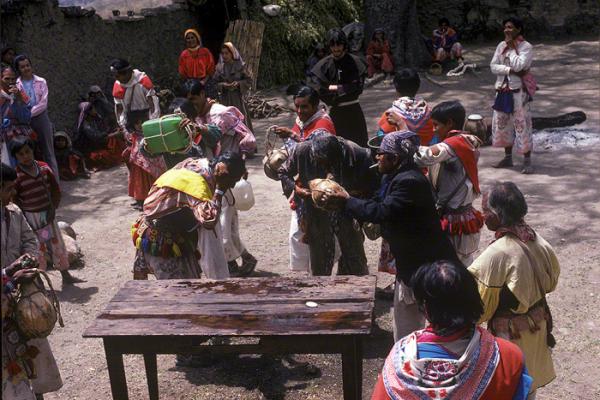
This paper discusses the results obtained from the inventory of ethnographic and biological heritage associated with the Huichol Route by the Sacred Sites to Huiricuta, Mexico (Tatehuari Huajuyé), which served as reference to document and support its inclusion in the World Heritage List of the Convention Concerning the Protection of the World Cultural and Natural Heritage of the Organization of the United Nations Educational, Scientific and Cultural Organization (UNESCO, for its acronym in English). This framework was considered to contextualize its intrinsic attributes of universal value and the environmental degradation challenges it currently faces, so as to ensure its reversion and effective protection. The itinerary consists of a number of intertwined paths traveled by Huichol pilgrims, or wixaritari, from their respective community and family temples
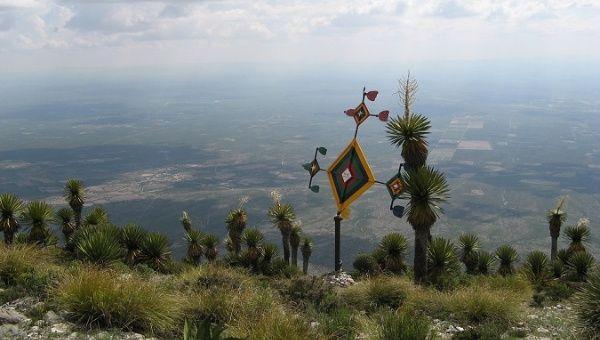
(located in the Sierra Madre Occidental, at the confluence of the States of Jalisco, Nayarit, Durango and Zacatecas), to the vicinity of Sierra de Catorce, in the semi-arid region of the potosino highlands. It runs through a heterogeneous relief with alternating mountain ranges, valleys, ravines and plateaus that alternate from the Pacific Ocean coast to the highlands. From an anthropological perspective, this route is the most important and representative remnant of the broad network of exchange routes that connected and enriched culturally the ancient peoples of America during thousands of years; in addition, it stands out for its high hierarchy in the huichol ritual cycle, its frequency of use, and its educational and socio-cultural role. In the ecological context, the environment along the Route includes a sequence of vegetation types and habitats of special relevance due to their contribution to biodiversity, which are home to extremely valuable flora and fauna, as rated in technical and legal protection documents, both national and international. Field information was obtained through more than 20 ad-hoc expeditions and field trips organized over the past two decades with the permission, support and participation of the Huichol traditional authorities of Santa Catarina Cuexcomatitlan (Tuapurie) community , amongothers. This information was classified according to subject (anthropological, cultural, geographical, biological and legal), and was tailored to produce original documentary and multidisciplinary support entered into a geographical information system. The analysis of this information leads to the proposed nomination in the category of Associative Cultural Landscape, which highlights the exceptional dynamism of the relationships between culture and nature. The selection and delimitation of its integrative units considered, on the one hand, cultural attributes, based primarily on the anthropological significance of the landscapes, the location of the sacred sites and their hierarchy within the ritual cycle; and, on the other, the biological features in terms of the presence, distribution and the degree of preservation of habitats and species of interest for conservation. This was supplemented with information related to uses of the territory, threats, ethnobotanical uses, imagery, etc. The consideration of part or all of the attributes included enabled to justify each of the criteria of exceptional universal value selected, to support the proposal in accordance with the Operational Guidelines for the implementation of the World Heritage Convention.