Current News

Displaying 81 - 90 of 99
| November 2012
The federal government of Mexico has proposed the creation of a Biosphere Reserve in the area of Wirikuta, sacred site to the Wixarika (Huichol) people and the battle ground for a silver mine first proposed by Canadian company First Majestic Silver, and others. The biosphere reserve would cover 191,000 hectares, according to Mexico’s National Commission on Natural Protected Areas. On November 8th, the Consejo Regional Wixarica and the Frente en Defense de Wirikuta anncouned their decision. Wixarika leaders will welcome the government proposal to declare a Biosphere Reserve in Wirikuta, but warn of inconsistencies and dangerous propaganda instigated by the mining company among the local population. Once again they demand to be included in the process as the government prepares to issue a final decree.
| February 2012
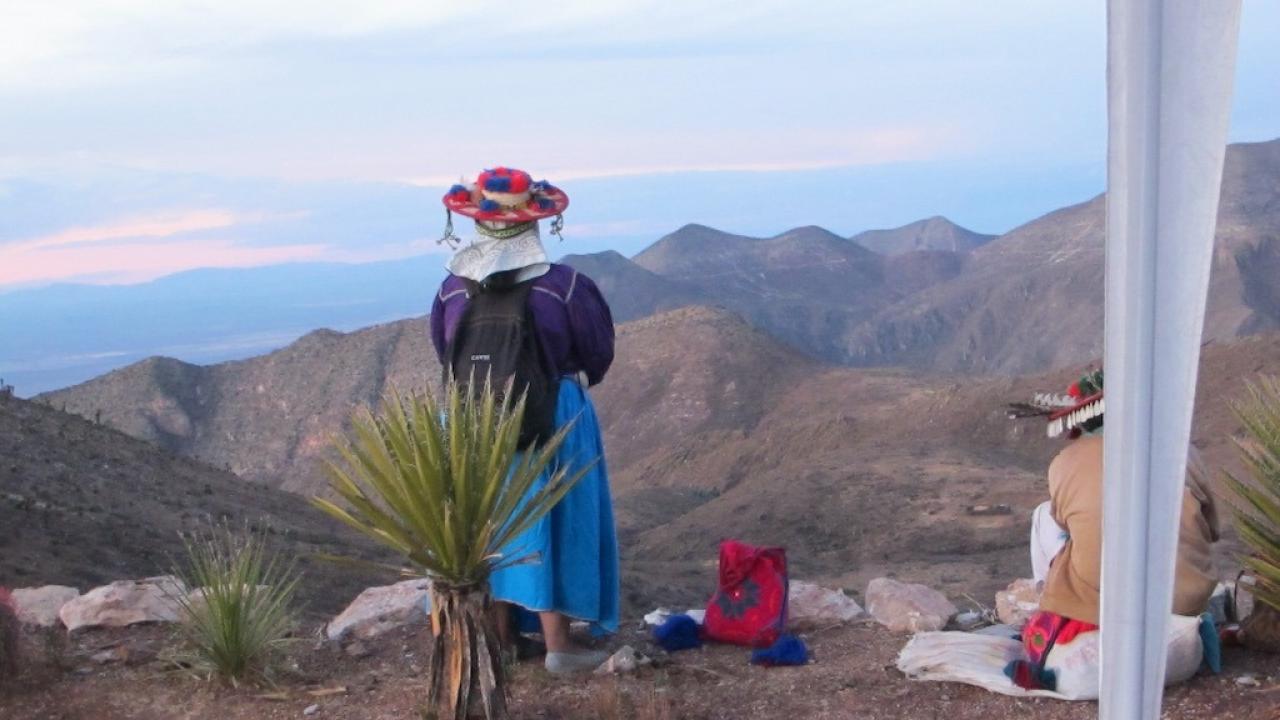
For the Huichol Indians, the desert mountains here are sacred, a cosmic portal with major mojo, where shamans collect the peyote that fuels the waking dreams that hold the universe together. For a Canadian mining company, these same hills look like a billion dollars worth of buried silver.
| February 2012

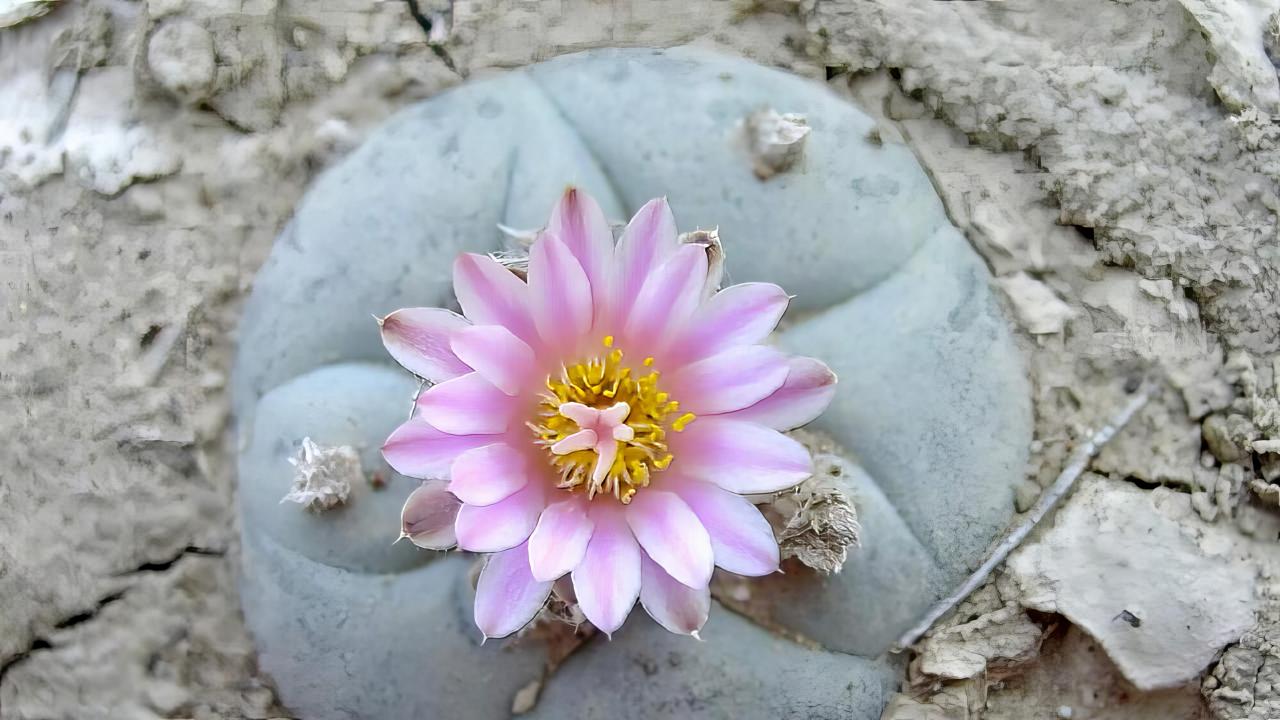
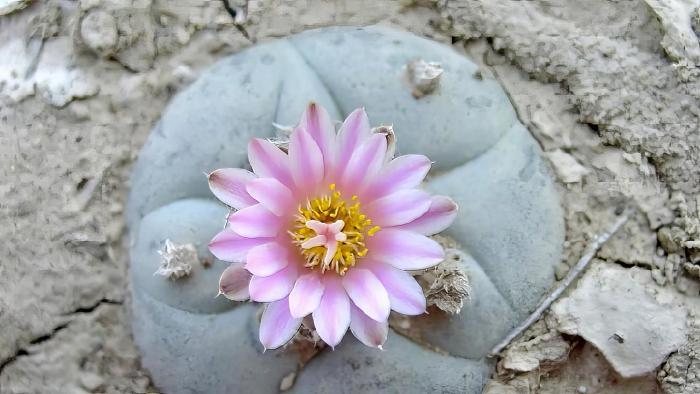
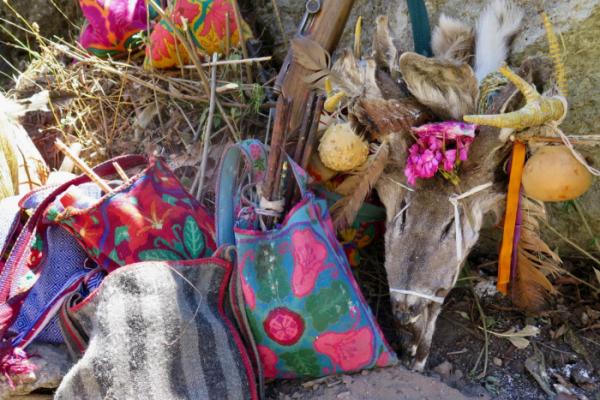
Wirikuta is one of the most important ceremonial centers for the collection and ceremonial use of peyote, and the Wixarika have been the historical guardians of the sacred hallucinogenic cactus, which they say puts them in contact with their ancestors and the spirits of the land. “We are indebted to them in this holy ground because they have cared for the medicine and they brought it to the North.”

| February 2012

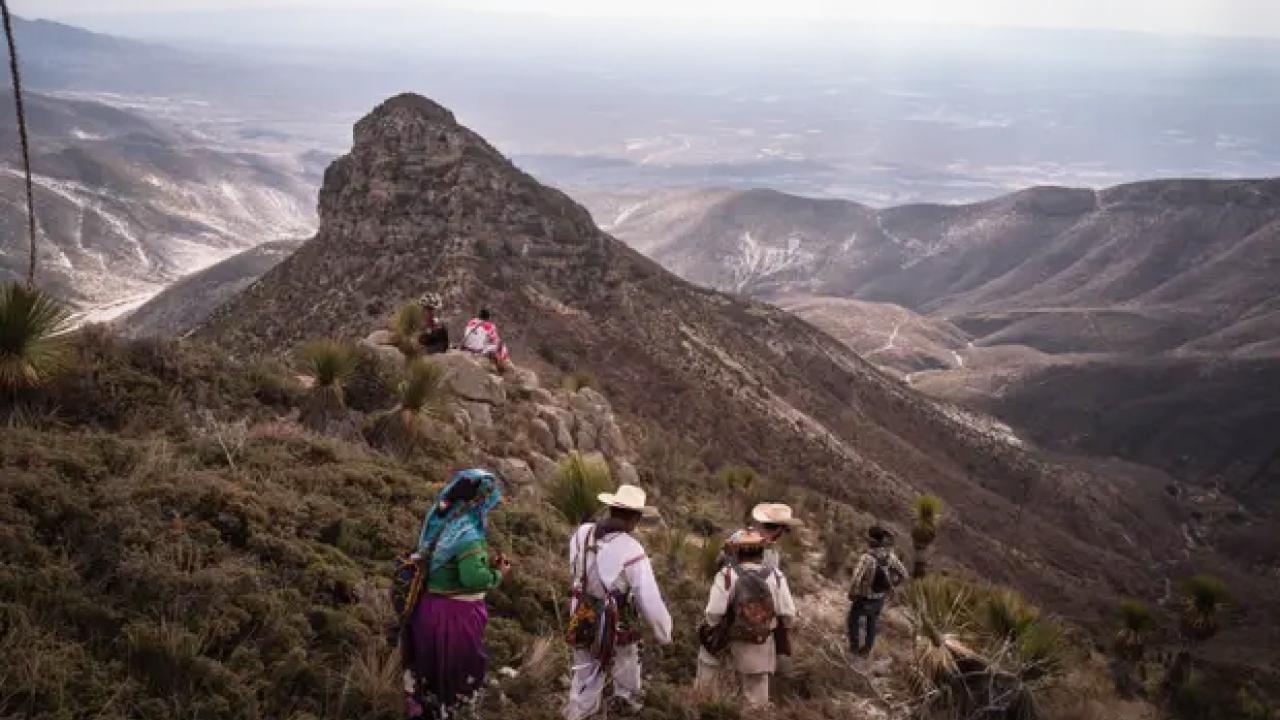
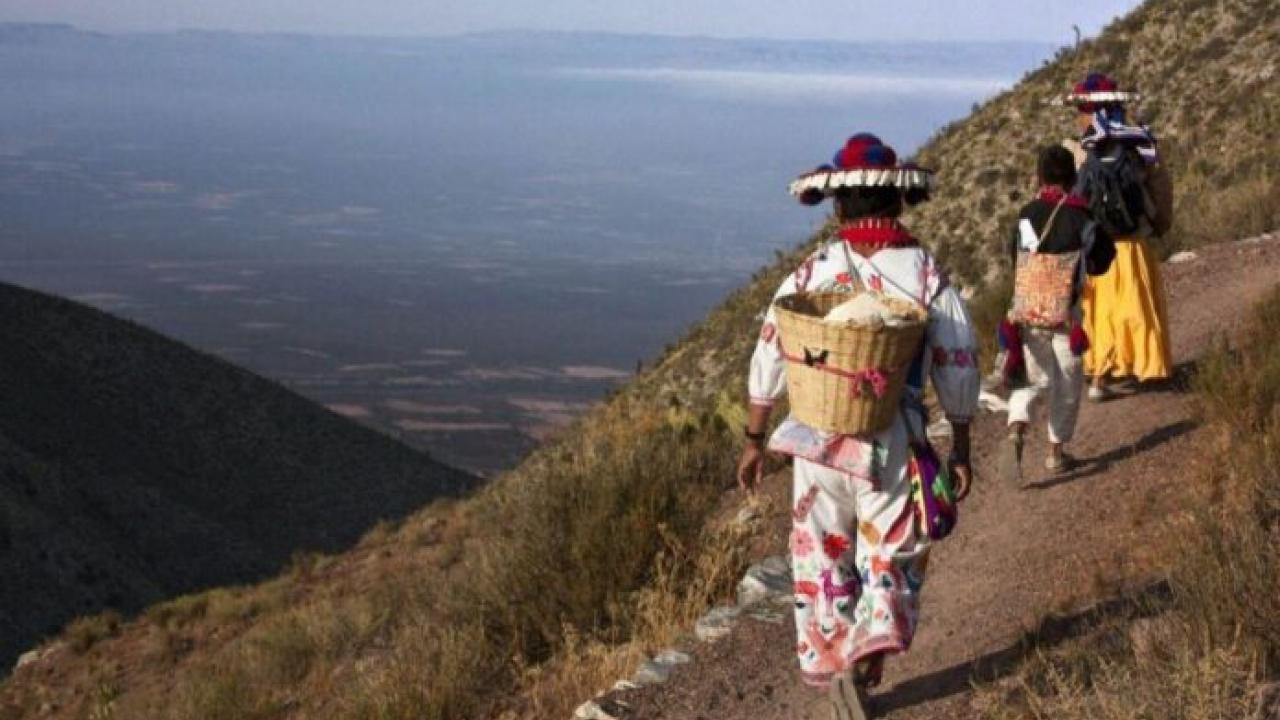
The Wixarika, more commonly known by their Spanish name, the Huicholes, hope to gain some insights in a historic “spiritual consultation” regarding the threats to their most sacred site, Wirikuta. The Huicholes have made their millenial pilgrimages to Wirikuta since the beginning of their history, and see it as their holiest altar of prayer, the place where they come to hunt their sacramental cactus, the peyote, and the place where the sun was born; but this protected reserve is the target of Canadian mining companies and agroindustrial businesses that see it as a resource to exploit.

| November 2011
More than 200 members of the Wixárika, or Huichol, people in late October marched through Mexico City against the concessions, most of which were for areas in the San Luis Potosi desert, where is Wirikuta, a 140,000-hectare (350,000-acre) area that is sacred to this group.
| October 2011

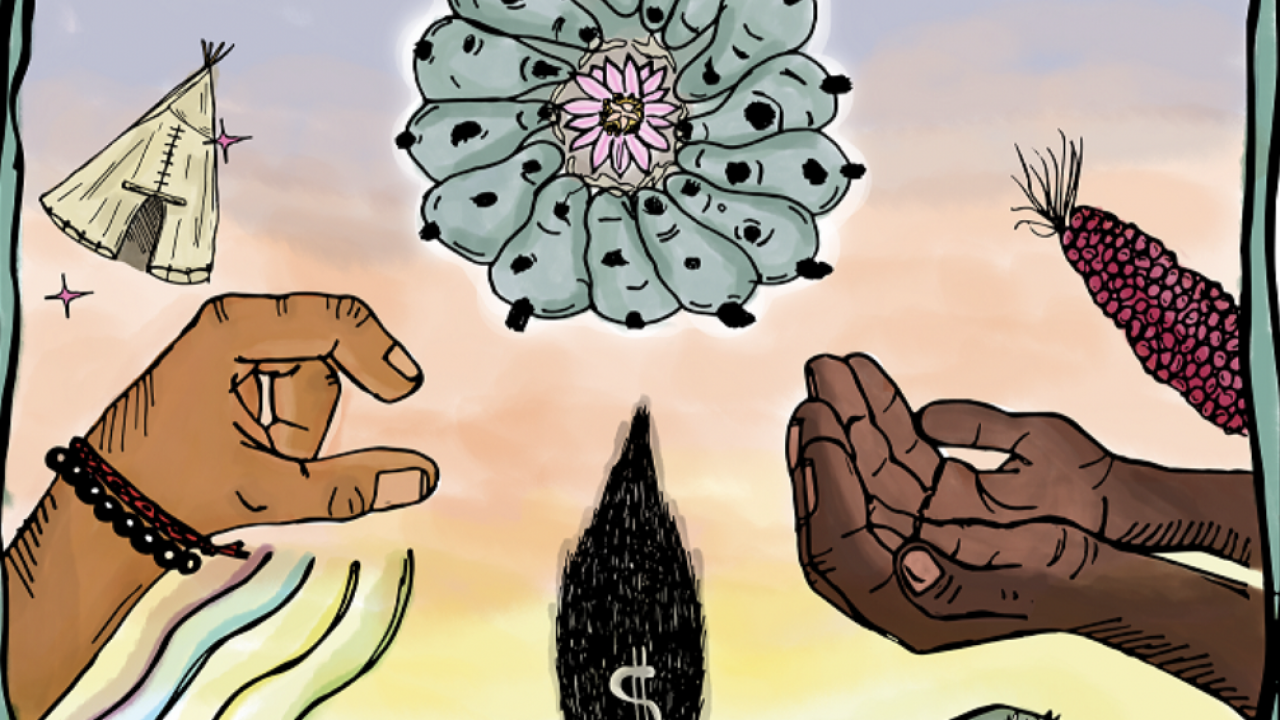
The context seems like a movie script, but it's deadly serious to the Wixarika, whose core cultural practice for more than a thousand years has consisted of regular pilgrimages to Wirikuta, the birthplace of the sun: a magical desert where the balance of life on Earth is maintained through a sacred cactus that carries the wisdom of a blue deer.

| May 2011

By now, the delegate of the Ministry of Environment and Natural Resources (SEMARNAT) in San Luis Potosi, Joel Navarro Milan, was forced to declare that neither First Majestic Silver nor Pietro Sutti have filed formal requests nor submitted environmental impact statements (MIA): "Semarnat so far does not have recorded any project or request by the companies, because to do so they must first have an environmental impact study, but there is no record that they have done it" (The Express, St. Louis, April 8 2011).

| April 2011

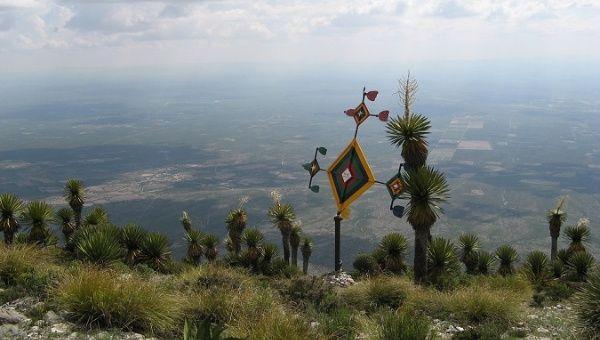
Located in the state of San Luis Potosi, Wirikuta is one of the most biologically rich and diverse deserts in the world. In 1994 it was decreed “a Site of Cultural and Historic Heritage and an Area under Ecological Conservation”; in the year 2000 the protected area was expanded to 140 thousand hectares; and in 2001 it was declared a Sacred Natural Site by UNESCO. There is also a bird sanctuary in Wirikuta. In spite of this, it is currently under siege by First Majestic Silver, a Vancouver-based mining company that paid 3 million dollars to obtain 22 mining concessions in the area.

| March 2011
The opening of mines of gold and silver in the Huichol ceremonial center Wirikuta, in San Luis Potosí - under the auspices of the Canadian mining company First Majestic Silver - would put at grave risk the subsistence of the indigenous people of the region, due to the destruction of their sacred sites and the devastation of the environmental resources of the area.