Displaying 19 - 36 of 36
Displaying 21 - 30 of 35
| January 2022
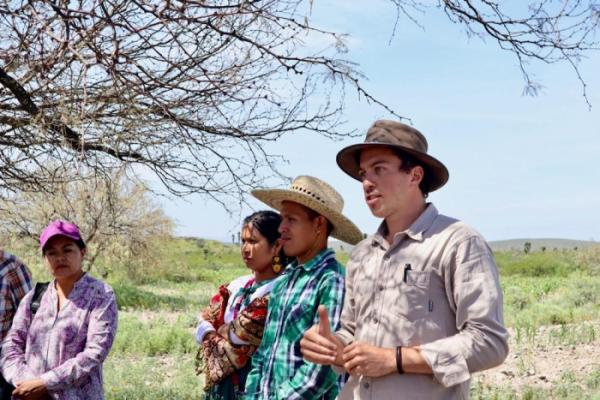
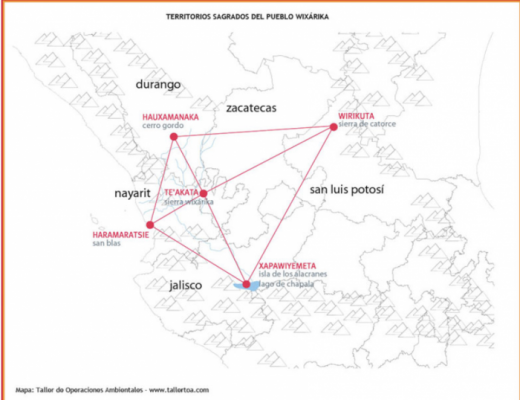
On the morning of July 31, 2021, a group of 40 people assembled in the hamlet of Las Margaritas in the sacred land of Wirikuta, in the high plateaus of the Chihuahuan Desert of north-central Mexico. Local farmers in cowboy hats and baseball caps gathered alongside young indigenous Wixárika women and men who had come from their communities in the western states of Jalisco and Nayarit. There were also a dozen non-local and foreign attendees who happened to be in Margaritas or who had put down roots and established homes and working relations in the region.
| September 2021
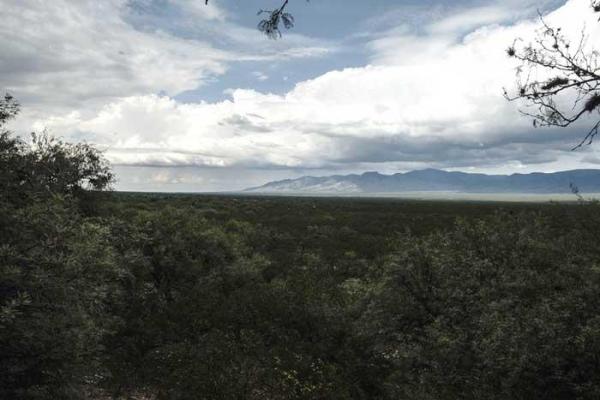
When it rains in the high plateaus of San Luis Potosí, Mexico, the dampened earth releases a scent that showcases its unique biodiversity. During the rainy season, greasewood bushes, mesquites, yucca and a wide variety of cacti flower and give their fruits, while the locals plant their cornfields that grow according to the nourishment they receive from the seasonal rainfall.
| August 2018

Abstract: Since 2010, the Wixarika (Huichol) indigenous people of western Mexico have struggled against transnational mining activity in their sacred pilgrimage site of Wirikuta in the semi-desertic plateaus of San Luis Potosi. This struggle has been accompanied by a multitude of non-indigenous and largely urban actors who have joined the Wixarika, bringing with them their own cultural, political and geographic registers for understanding and mobilizing against mining in the region.

| April 2014
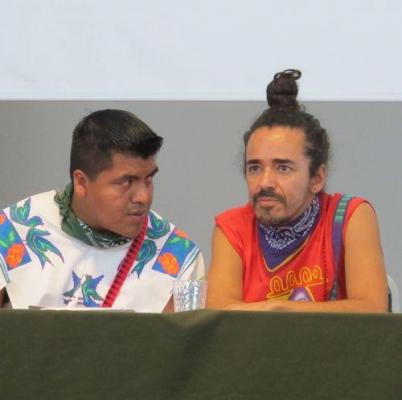
It was a long time coming – but it was worth the wait. Nearly two years ago, more than a dozen of Mexico’s biggest performing artists came together in a mega-event aimed at saving Wirikuta, one of the country’s most sacred sites, from devastation at the hands of Canadian gold and silver mining operations. It was a triumphant moment for the indigenous Wixarika people and for indigenous movements in general when, as the daylong festival came to a close, they were invited to come up on stage. A massive screen flashed images of traditional Wixarika beadwork behind them as 60,000 fans chanted, in unison, “Wirikuta no se vende! Wirikuta se defende!” (Wirikuta is not for sale! Wirikuta will be defended!)
| September 2013
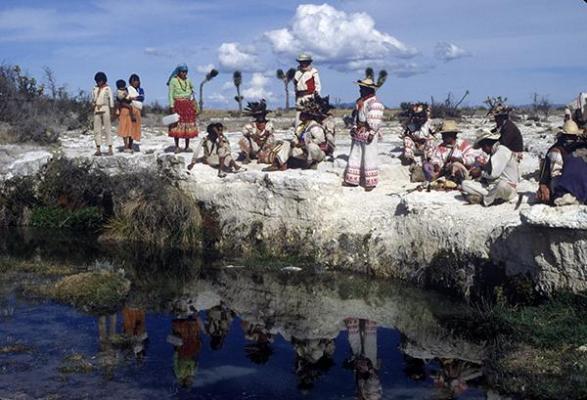
In a major victory, the judicial power of San Luis Potosí, Mexico has suspended mining concessions in the territory of Wirikuta, sacred to the Wixarika (Huichol) people. All of the mining projects proposed by the Universo and Maroma companies, which total 40 different concessions, have been suspended in their entirety. This adds to the 38 other concessions owned by mining project La Luz which were suspended in February of 2012.
| January 2013
El presente documento hace pública la opinión de los miembros de la Mesa Técnica Ambiental del Frente en Defensa de Wirikuta Tamatsima Wahaa y de un grupo de cientificos e investigadores asesores con gran trayectoria nacional e internacional, respecto a la posibilidad de que el lugar sagrado de Wirikuta sea declarada una Reserva Biósfera,publicado por el gobierno federal mexicano a través de la Comisión Nacional de Áreas Naturales Protegidas (CONANP),
| December 2012
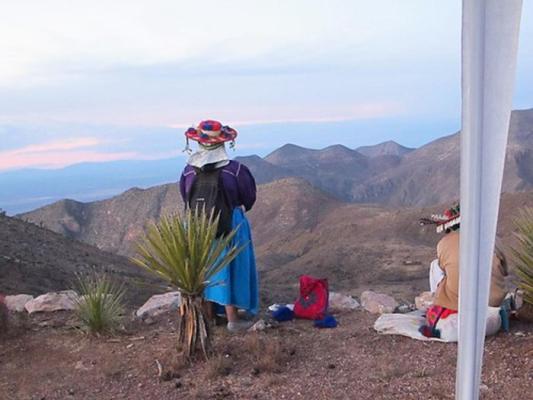
They came by the hundreds from the Western Sierra Madre, native Wixarika or Huichol people on a spiritual quest, seeking to consult with the spirits of their ancestors and of the land where their world began. They came in their ceremonial dress, colorfully embroidered with their sacred symbols of the deer, the eagle and the peyote. They came with offerings they had fashioned from beads and gourds and candle wax, offerings they had made precious with their love and their prayers, as their forebears had done for centuries.
| November 2012
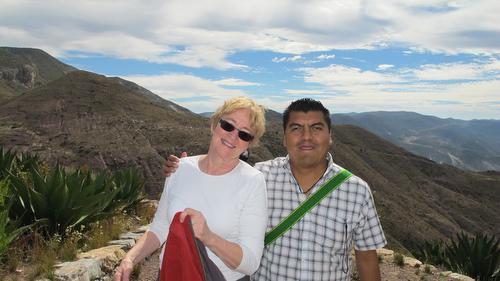
"Maude’s mission was a different one. She had come to see for herself what was at stake in Wirikuta, this most sacred of Huichol holy sites, currently slated for exploitation by Canadian mining companies. Her goal was to connect with the people being affected by these mining proposals and see what, if anything, the social action groups she leads can do to help. She had come to Mexico to participate in the Permanent People’s Tribunal regarding the devastating effects of mega-hydroelectric projects throughout the region. And she wanted to investigate first-hand some of the impacts of Canadian mining companies in Mexico. “We Canadians feel embarrassed and ashamed of what is being done in our names,” she had said on the winding cobblestone road to this place. She had just paid a visit to the sad vestiges of Cerro de San Pedro, the colonial mountain town whose fate the defenders of Wirikuta hope to avoid.
| November 2012
Wixarika leaders are welcoming a new government proposal to declare a Biosphere Reserve in Wirikuta. However, they warn of inconsistencies and dangerous propaganda that is being instigated by First Majestic Silver, the Canadian mining company that wants to gut the Sacred Territory of the Wixárika (Huichol) people. Once again they demand to be included in the process as the government prepares to issue a final decree.
| November 2012
The federal government of Mexico has proposed the creation of a Biosphere Reserve in the area of Wirikuta, sacred site to the Wixarika (Huichol) people and the battle ground for a silver mine first proposed by Canadian company First Majestic Silver, and others. The biosphere reserve would cover 191,000 hectares, according to Mexico’s National Commission on Natural Protected Areas. On November 8th, the Consejo Regional Wixarica and the Frente en Defense de Wirikuta anncouned their decision. Wixarika leaders will welcome the government proposal to declare a Biosphere Reserve in Wirikuta, but warn of inconsistencies and dangerous propaganda instigated by the mining company among the local population. Once again they demand to be included in the process as the government prepares to issue a final decree.